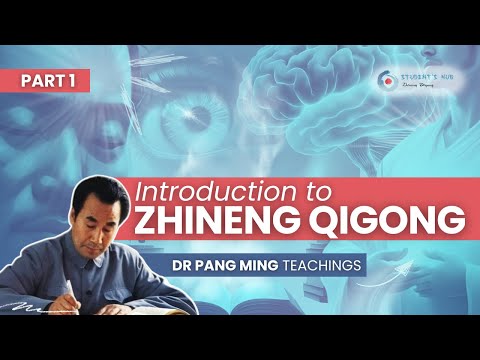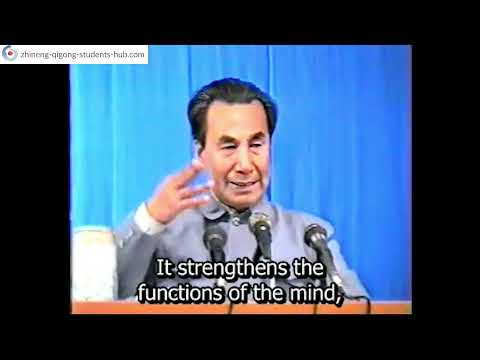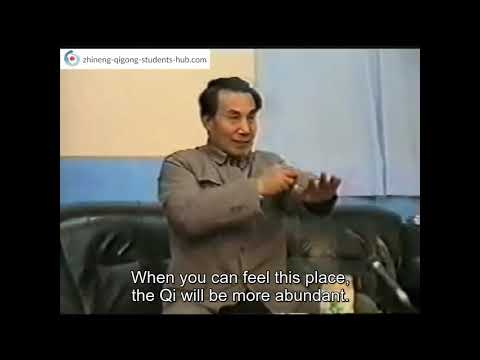
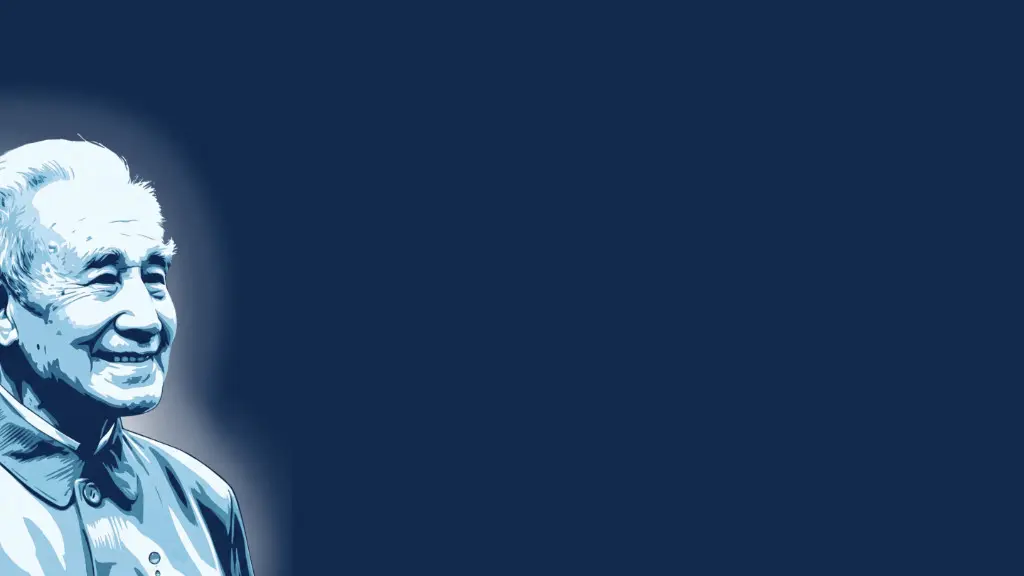
Grandmaster Dr. Pang Ming: The Architect of Qigong Science
The founder of Zhineng Qigong and visionary behind the medicine-less hospital.
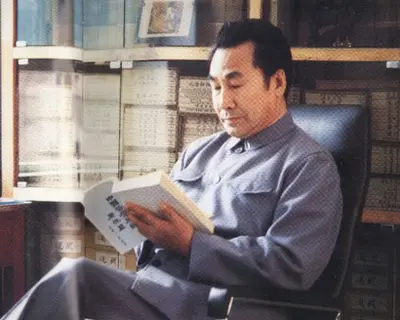
Dr. Pang Ming is one of the most influential figures in the modern history of Qigong. By integrating the rigor of Western medical science with the depth of traditional Chinese medicine and esoteric Qigong lineages, he created Zhineng Qigong Science — a systematic, accessible, and clinically-tested approach to self-healing and the cultivation of Qi. His life's work bridged ancient wisdom and modern methodology, transforming Qigong from a guarded tradition into a practice available to people of all backgrounds and abilities.
Early Life and Medical Mastery
Dr. Pang Ming was born in September 1940 in Hebei Province, China. From an early age he showed a deep interest in both healing and the inner workings of the human body, a curiosity that would eventually span multiple medical and energetic traditions.
In 1958, he began studying Western medicine at the Beijing Medical College, where he received formal training in anatomy, physiology, and the scientific method. This foundation in modern medicine would later distinguish his approach to Qigong, grounding energetic practices in observable, systematic principles rather than mysticism alone.
Beyond his Western medical education, Dr. Pang Ming also studied traditional Chinese medicine (TCM), mastering its diagnostic frameworks, herbal traditions, and meridian theory. This dual expertise — Western science and Chinese medicine — gave him a uniquely comprehensive understanding of the human body and its relationship to Qi.
Most remarkably, Dr. Pang Ming trained under 19 grandmasters of various Qigong lineages, absorbing the secrets, methods, and philosophies of traditions that had been passed down in secrecy for centuries. Rather than keeping these teachings private, he synthesized them into a unified, open system — the foundation of what would become Zhineng Qigong Science.
The Creation of Zhineng Qigong Science
In the 1980s, Dr. Pang Ming undertook a sweeping reformation of traditional Qigong practices. He recognized that the secrecy, fragmentation, and esoteric complexity of traditional lineages had made Qigong inaccessible to ordinary people — and that its healing potential was being lost as a result.
Drawing on his training under 19 grandmasters and his dual medical background, he distilled the essential principles and methods into a coherent, progressive curriculum. He removed unnecessary secrecy, introduced scientific language and methodology, and organized the practice into clear stages of development — from external Hunyuan Qi to internal Hunyuan Qi to the realm of pure consciousness (Mingjue). This systematic approach became known as Zhineng Qigong Science, a name reflecting his vision of Qigong as an open, verifiable science rather than a closed tradition.
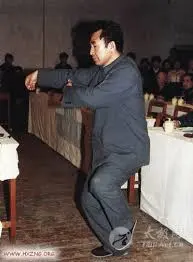
The Methods of Zhineng Qigong Science
Dr. Pang Ming developed a structured curriculum of methods, each designed to cultivate Qi at a specific level of depth and to build progressively upon the last.
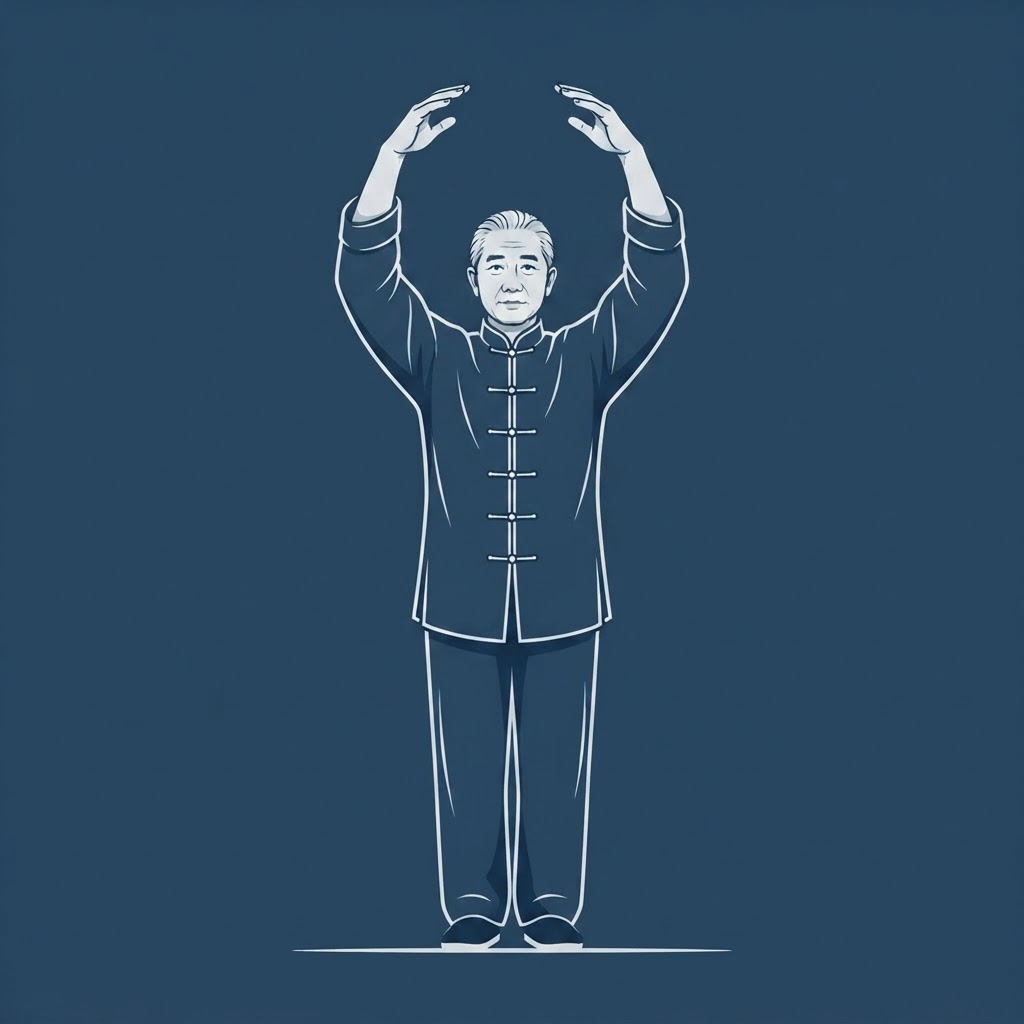
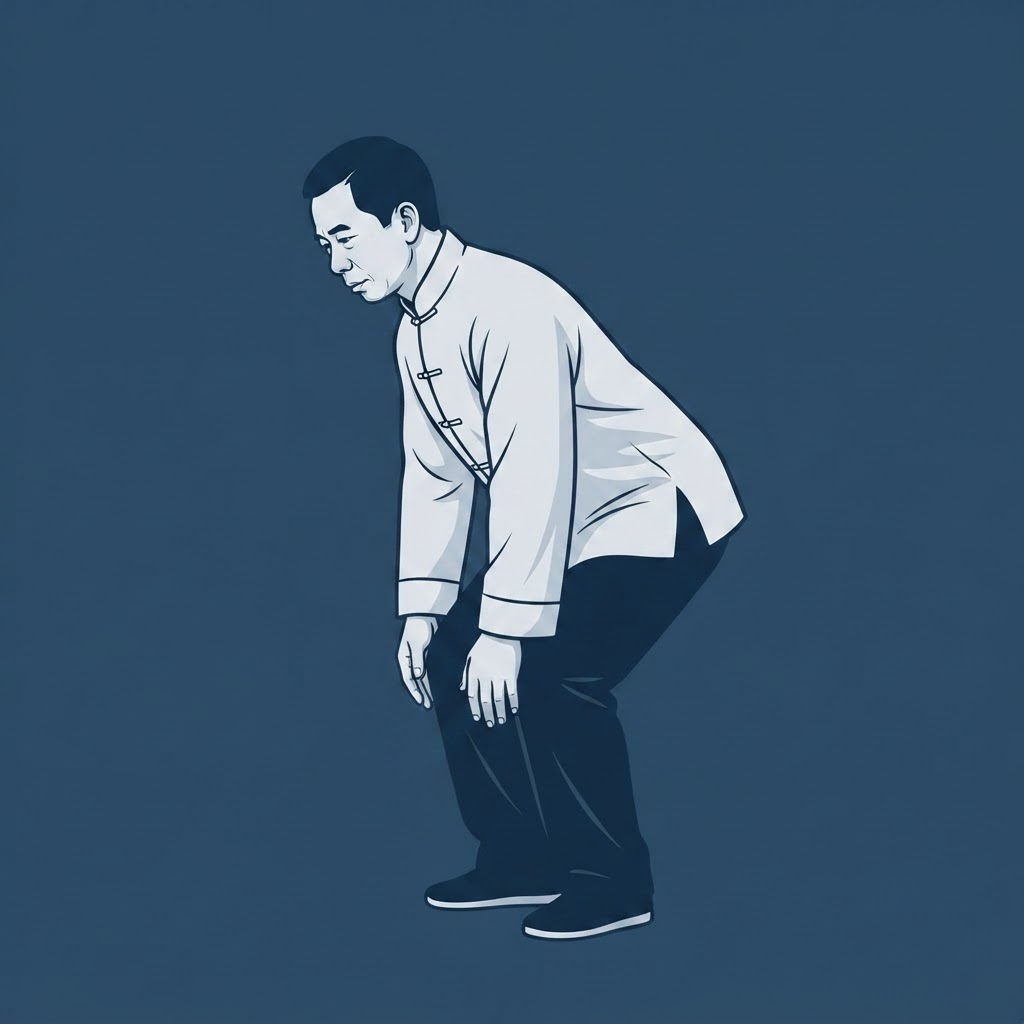
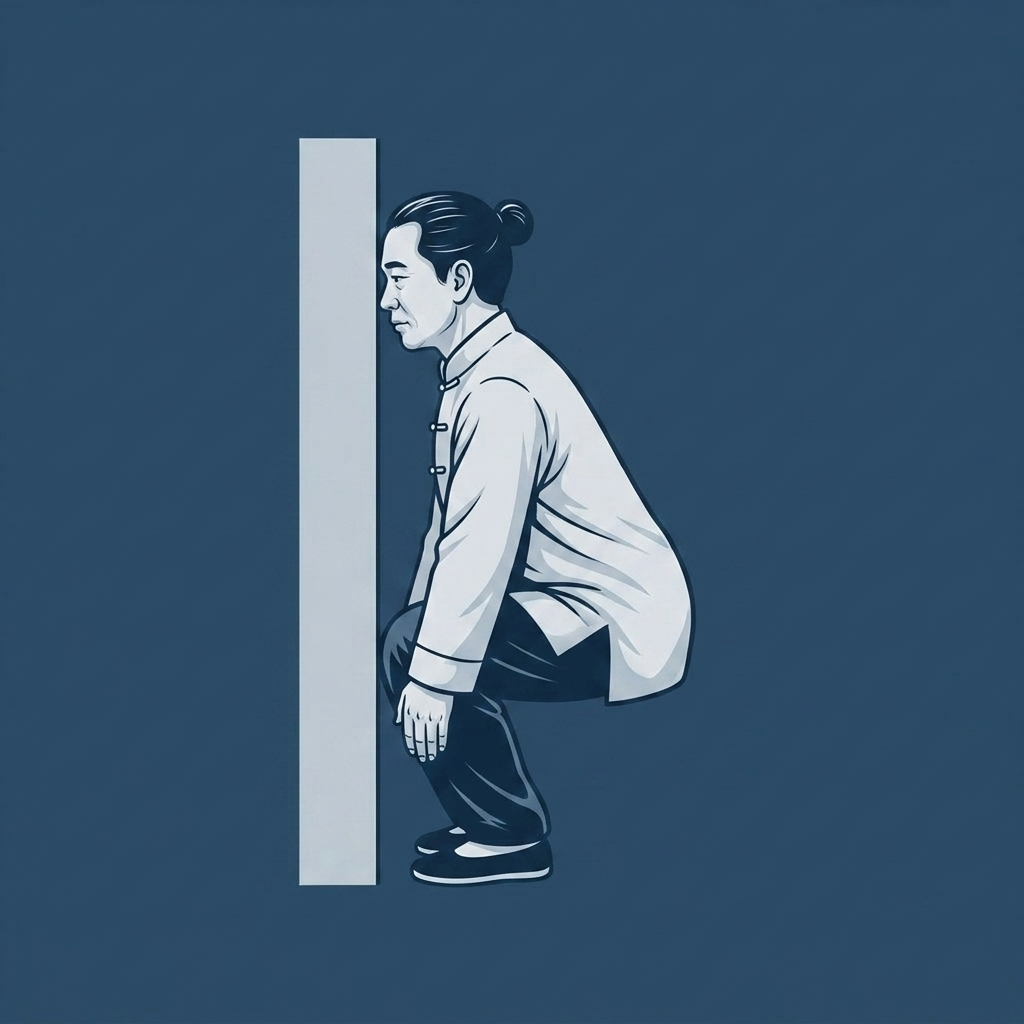
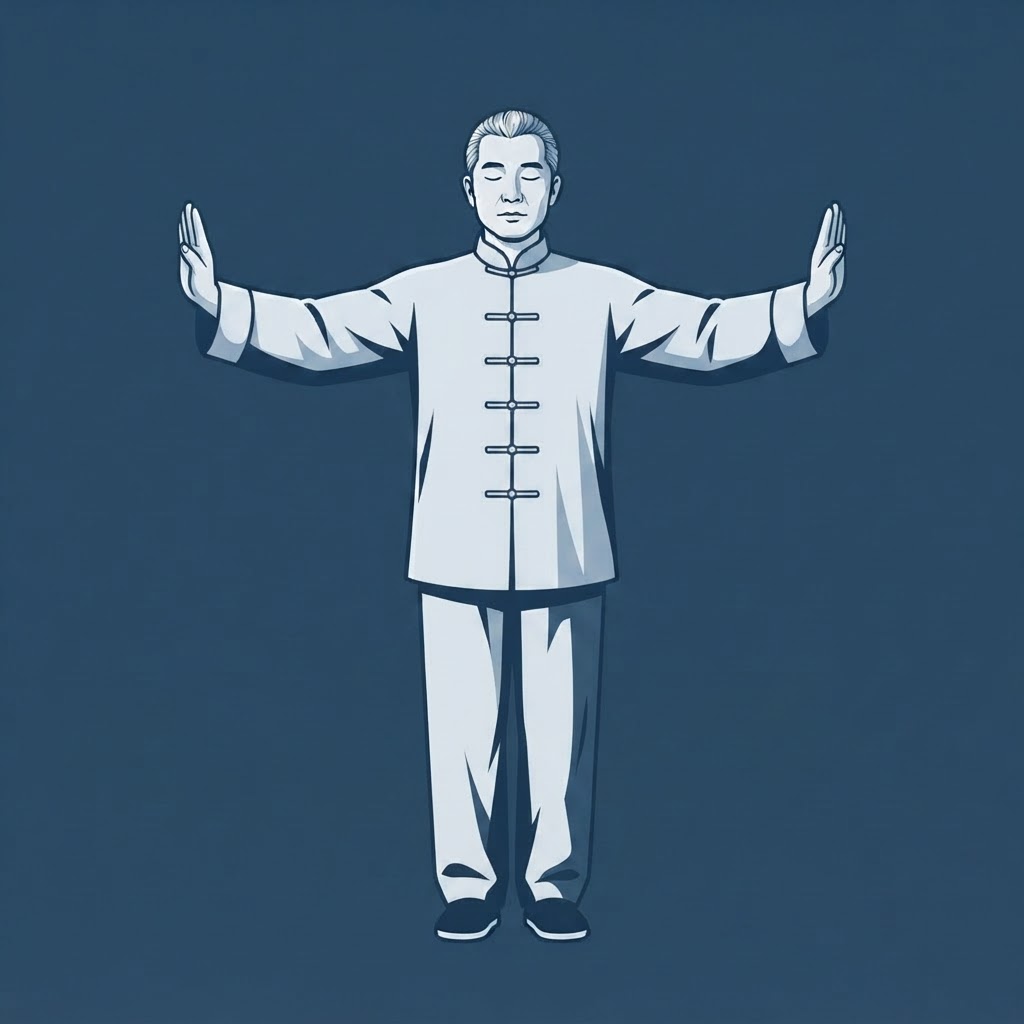
The foundational practice is the "Lift Qi Up, Pour Qi Down Method," a gentle, flowing sequence that uses the mind's intention to draw universal Qi into the body, guiding it through the meridians to nourish every organ and cell. It is the gateway practice of Zhineng Qigong, accessible to beginners yet profound enough to form the base of all higher training.
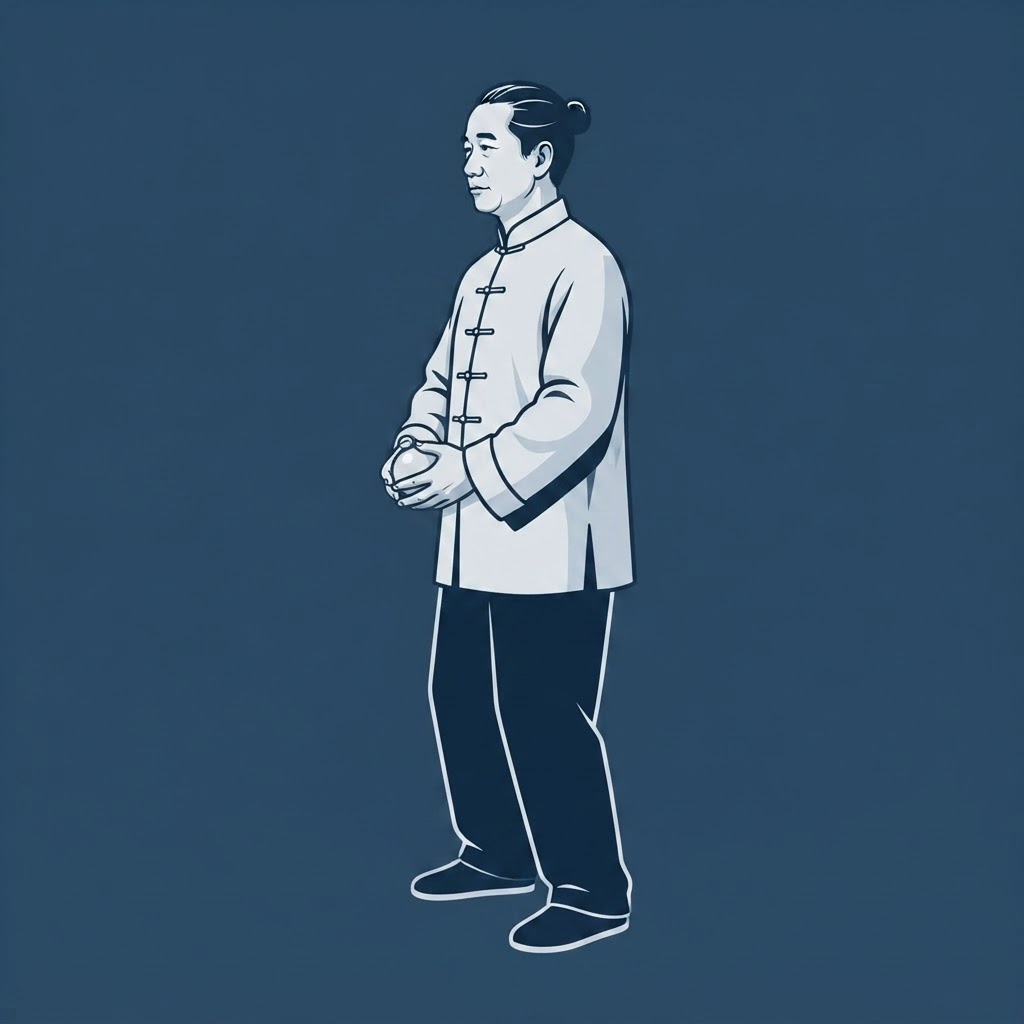
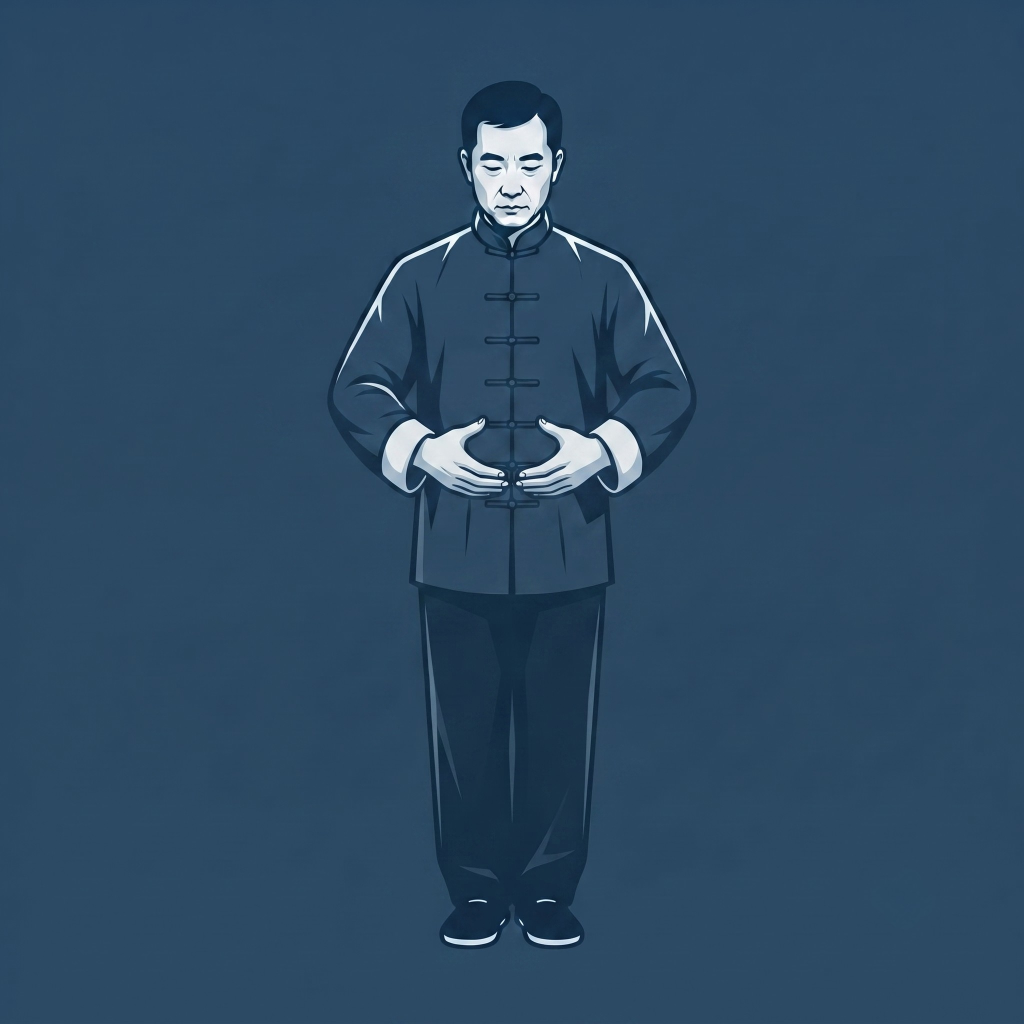
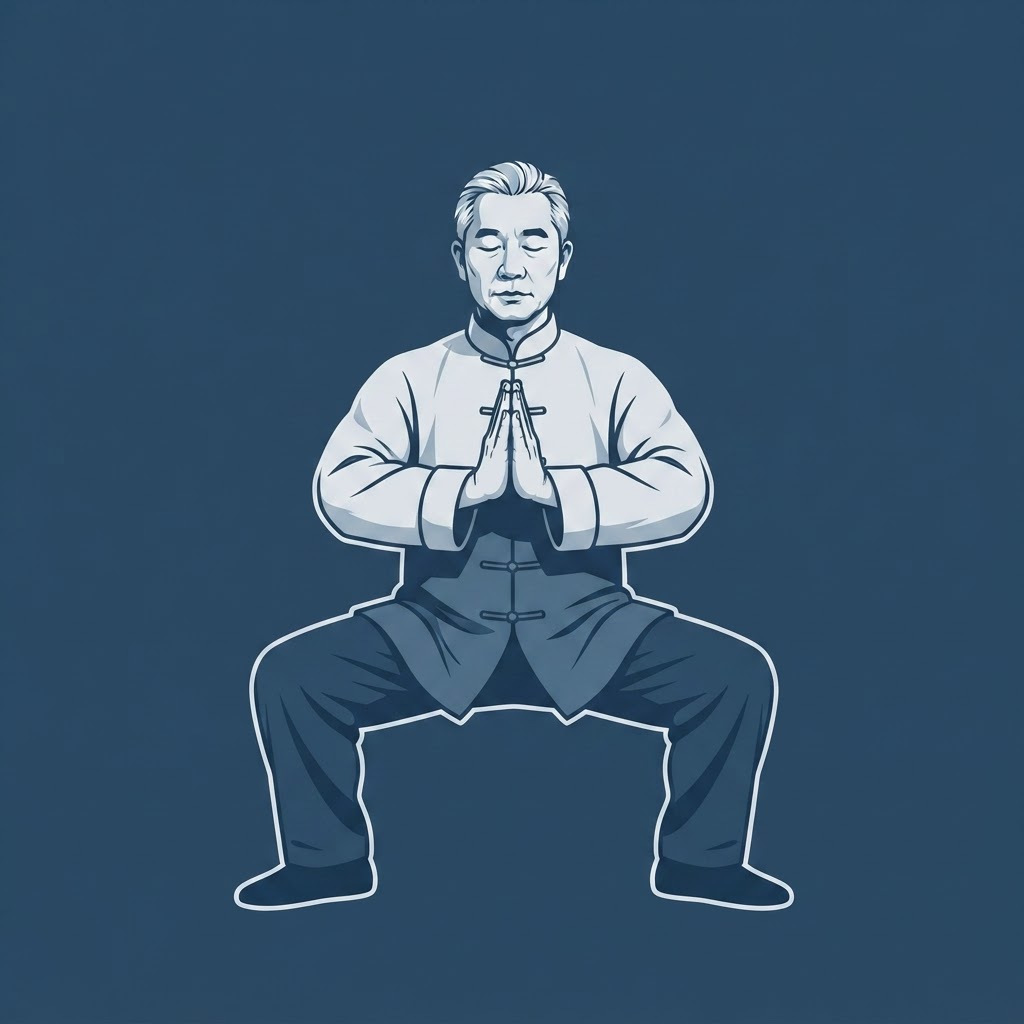
The "Three Centers Merge Standing Method" is the most advanced of the core practices. In this standing meditation, the practitioner closes the seven orifices of the head and withdraws the senses inward to the center of the head — the Shenji palace — uniting the three energy centers (lower dantian, middle dantian, and the head) into one integrated field. It bridges the external and internal stages of practice and opens the door to Mingjue, pure consciousness.
The Huaxia Center
In 1988, Dr. Pang Ming established the Huaxia Zhineng Qigong Training Center in China — a residential facility that would become known worldwide as the "medicine-less hospital." Rather than relying on medication or surgery, the center treated patients through daily group Qigong practice, individual exercises, and the cultivation of a powerful collective Qi field.
The center became a living laboratory for Dr. Pang Ming's vision, demonstrating that systematic Qigong practice could address serious and chronic conditions on a remarkable scale. Its work attracted international attention and remains one of the most significant chapters in the modern history of mind-body medicine.
First-Hand Accounts from the Medicineless Hospital
Jump to Chapter
Frequently Asked Questions
Is Dr. Pang Ming still alive?
Yes, Dr. Pang Ming (born September 1940) is still alive. After the closure of the Huaxia Center in 2001, he retired from public teaching to live a quiet life dedicated to researching, writing, and further developing Qigong Science and internal alchemy.
What is Pang He Ming's relationship to Dr. Pang Ming?
Pang He Ming and Dr. Pang Ming are the same person. 'Dr. Pang Ming' is the title most commonly used by Western practitioners, while 'Pang He Ming' is his formal given name.
Dr. Pang Ming — Insights & Teachings